Understanding the 2025 Dodge Ram Check Engine Light: A Comprehensive Guide
Understanding the 2025 Dodge Ram Check Engine Light: A Comprehensive Guide
Introduction
With great pleasure, we will explore the intriguing topic related to Understanding the 2025 Dodge Ram Check Engine Light: A Comprehensive Guide. Let’s weave interesting information and offer fresh perspectives to the readers.
Table of Content
Understanding the 2025 Dodge Ram Check Engine Light: A Comprehensive Guide
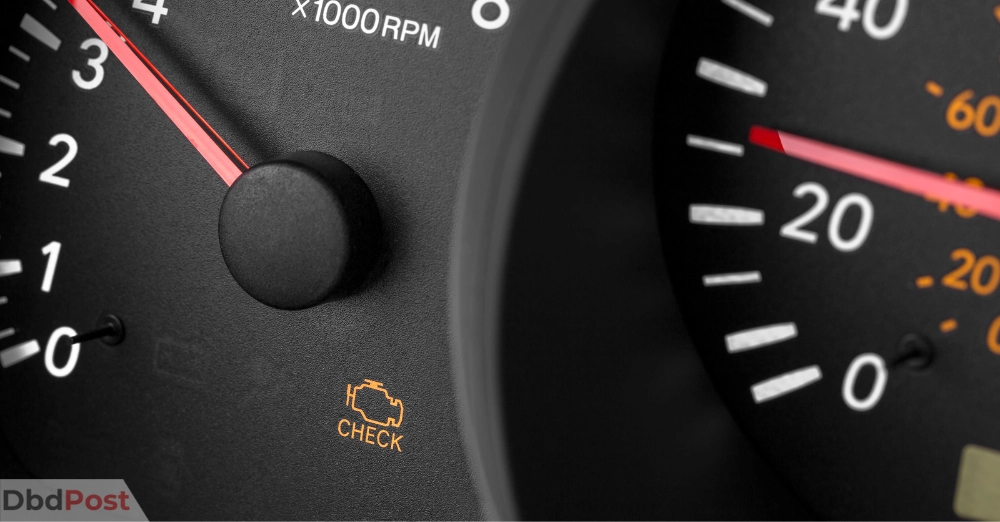
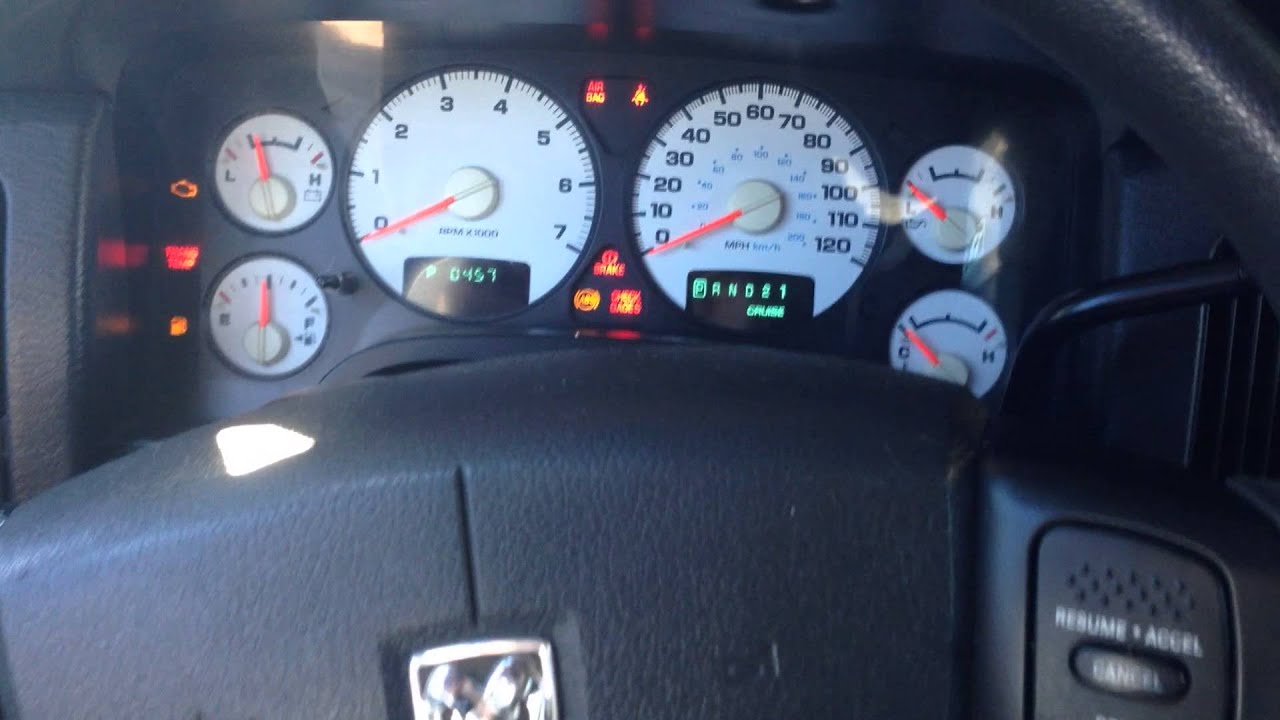
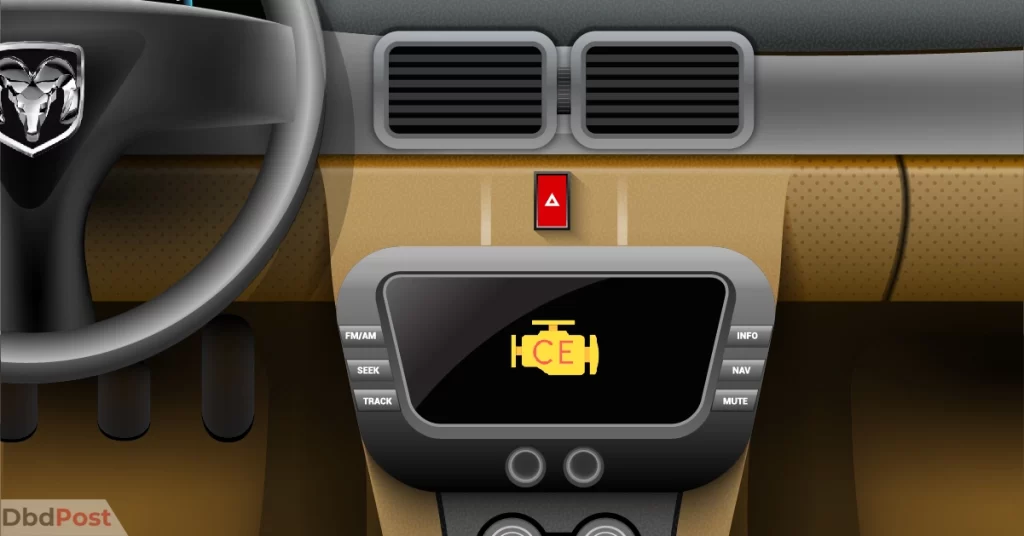
The illuminated "Check Engine" light on a 2025 Dodge Ram can be a source of anxiety for any owner. This seemingly simple warning signal can indicate a wide range of issues, from minor inconveniences to serious problems requiring immediate attention. This article aims to demystify the check engine light, providing a comprehensive understanding of its significance, potential causes, and necessary actions.
The Importance of the Check Engine Light:
The check engine light serves as a vital communication tool between the vehicle’s onboard computer and the driver. Its purpose is to alert the driver to potential malfunctions within the engine or emission control system. This system is designed to monitor various parameters, including:
- Fuel/Air Mixture: The engine control unit (ECU) constantly adjusts the fuel-air mixture to ensure optimal combustion.
- Oxygen Sensors: These sensors measure the amount of oxygen in the exhaust, providing crucial information about engine efficiency.
- Catalytic Converter: This component reduces harmful emissions, and the ECU monitors its performance.
- Ignition System: The ECU monitors spark plug performance and ignition timing.
- Emissions Control System: The ECU monitors the function of various emission control components.
When any of these systems deviate from their expected parameters, the ECU triggers the check engine light, indicating a potential issue.
Potential Causes of the Check Engine Light:
The check engine light can be triggered by a variety of factors, ranging from minor issues to serious malfunctions. Some common causes include:
- Loose Gas Cap: A simple, yet common cause is a loose or damaged gas cap, which can lead to a decrease in fuel tank pressure and trigger the light.
- Faulty Oxygen Sensors: These sensors are crucial for monitoring engine efficiency, and a malfunction can lead to inaccurate readings and trigger the light.
- Catalytic Converter Malfunction: A damaged or clogged catalytic converter can affect emissions and trigger the light.
- Spark Plug Issues: Worn or fouled spark plugs can disrupt the ignition process and trigger the light.
- Engine Vacuum Leaks: Leaks in the engine vacuum system can disrupt fuel-air mixture and trigger the light.
- Mass Airflow Sensor Malfunction: This sensor measures the amount of air entering the engine, and a malfunction can affect the fuel-air mixture.
- Evaporative Emission System (EVAP) Problems: This system prevents fuel vapors from escaping into the atmosphere, and leaks or malfunctions can trigger the light.
- Engine Sensors: Various sensors within the engine, such as the coolant temperature sensor or the throttle position sensor, can malfunction and trigger the light.
Recommended Actions When the Check Engine Light Illuminates:
Upon noticing the check engine light, it is crucial to take the following steps:
- Do not ignore the light: Ignoring the light can exacerbate the issue and potentially lead to more serious problems.
- Check the owner’s manual: The manual may provide specific instructions or troubleshooting tips for the check engine light.
- Obtain a code reader: A code reader can be purchased from automotive stores or online. This device can read the diagnostic trouble codes (DTCs) stored in the ECU, providing valuable information about the potential issue.
- Consult a qualified mechanic: Once the DTCs are identified, it is recommended to consult a trusted mechanic for diagnosis and repair.
Understanding Diagnostic Trouble Codes (DTCs):
DTCs are numerical codes stored in the ECU that provide specific information about the detected issue. These codes are standardized across different vehicle manufacturers, making it easier for mechanics to diagnose problems.
Benefits of Diagnosing and Repairing the Issue:
Addressing the issue causing the check engine light offers various benefits:
- Improved Fuel Efficiency: A properly functioning engine operates at optimal efficiency, resulting in improved fuel economy.
- Reduced Emissions: A healthy engine emits fewer harmful pollutants, contributing to a cleaner environment.
- Enhanced Performance: Addressing engine issues can restore the vehicle’s performance and responsiveness.
- Increased Safety: A properly functioning engine ensures reliable and safe operation of the vehicle.
- Prevents Further Damage: Ignoring the check engine light can lead to more severe problems, potentially causing costly repairs or even engine failure.
Frequently Asked Questions (FAQs) About the 2025 Dodge Ram Check Engine Light:
Q: Can I continue driving with the check engine light on?
A: While it is possible to drive with the check engine light on for a short distance, it is not recommended. The light indicates a potential problem that could worsen over time, leading to further damage or safety concerns.
Q: What if the check engine light blinks?
A: A blinking check engine light indicates a more serious issue, potentially related to a misfire or other critical engine malfunction. It is crucial to immediately stop driving and contact a mechanic.
Q: How do I reset the check engine light?
A: The check engine light can be reset by disconnecting the battery for a few minutes. However, this only clears the stored code and does not address the underlying issue. It is essential to address the problem causing the light to prevent it from reappearing.
Q: What is the cost of fixing a check engine light?
A: The cost of fixing a check engine light varies depending on the cause and the severity of the issue. Minor problems, such as a loose gas cap, may be easily resolved, while more complex issues could require expensive repairs.
Tips for Avoiding the Check Engine Light:
- Regular Maintenance: Adhering to recommended maintenance schedules, including oil changes, filter replacements, and inspections, can prevent many engine issues.
- Use Quality Fuel: Using high-quality fuel can help prevent engine problems and ensure optimal performance.
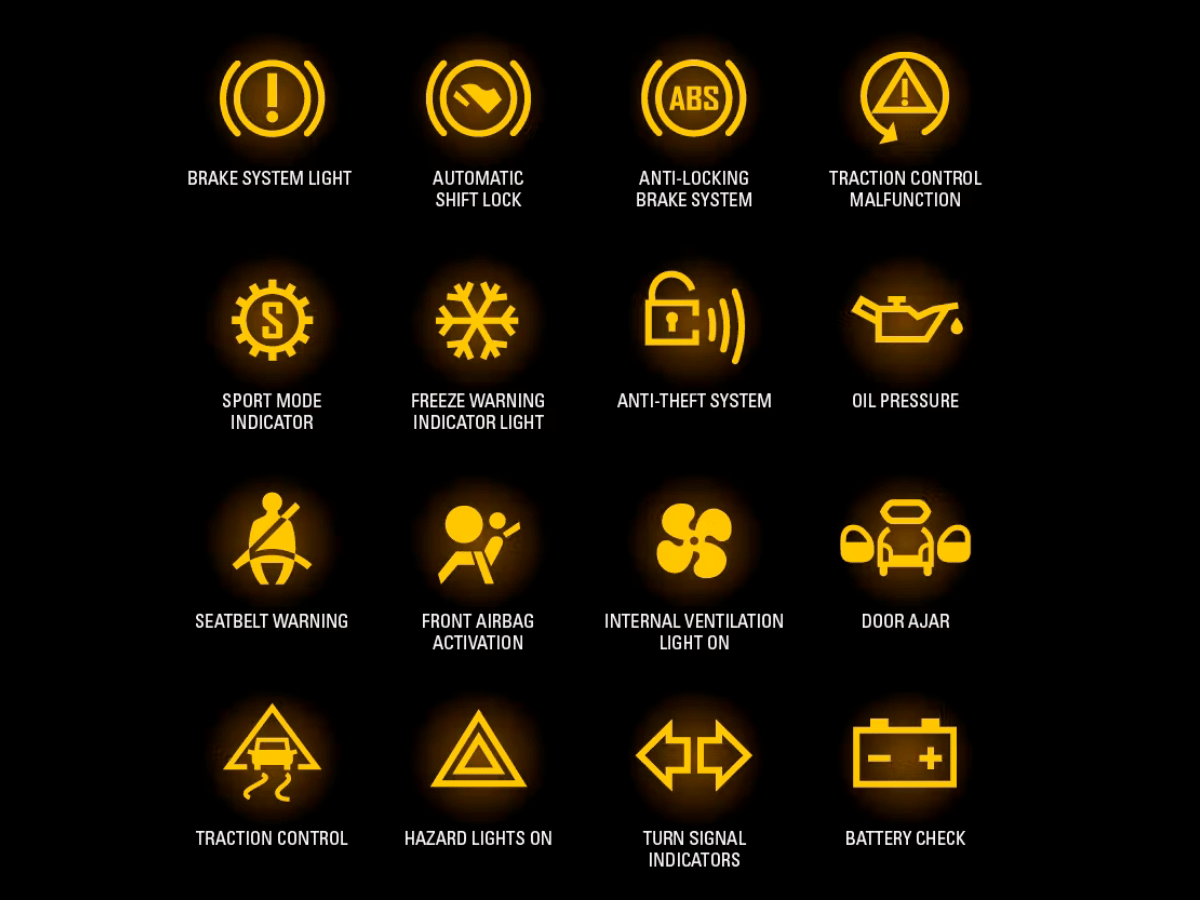
- Monitor Warning Lights: Be attentive to all warning lights on the dashboard, not just the check engine light.
- Address Minor Issues Promptly: Addressing minor issues, such as a loose gas cap, can prevent them from escalating into more serious problems.
- Consult a Mechanic Regularly: Regular checkups with a qualified mechanic can help identify potential issues before they become major problems.
Conclusion:
The check engine light on a 2025 Dodge Ram is a crucial indicator of potential problems within the engine or emission control system. It is vital to address the issue promptly to prevent further damage and ensure optimal vehicle performance, fuel efficiency, and safety. By understanding the potential causes, taking appropriate actions, and maintaining the vehicle regularly, owners can minimize the chances of encountering the check engine light and enjoy a reliable and trouble-free driving experience.


Closure
Thus, we hope this article has provided valuable insights into Understanding the 2025 Dodge Ram Check Engine Light: A Comprehensive Guide. We hope you find this article informative and beneficial. See you in our next article!