The 2025 Dodge Charger EV: A Deep Dive into Performance, Efficiency, and Design
The 2025 Dodge Charger EV: A Deep Dive into Performance, Efficiency, and Design
Introduction
With enthusiasm, let’s navigate through the intriguing topic related to The 2025 Dodge Charger EV: A Deep Dive into Performance, Efficiency, and Design. Let’s weave interesting information and offer fresh perspectives to the readers.
Table of Content
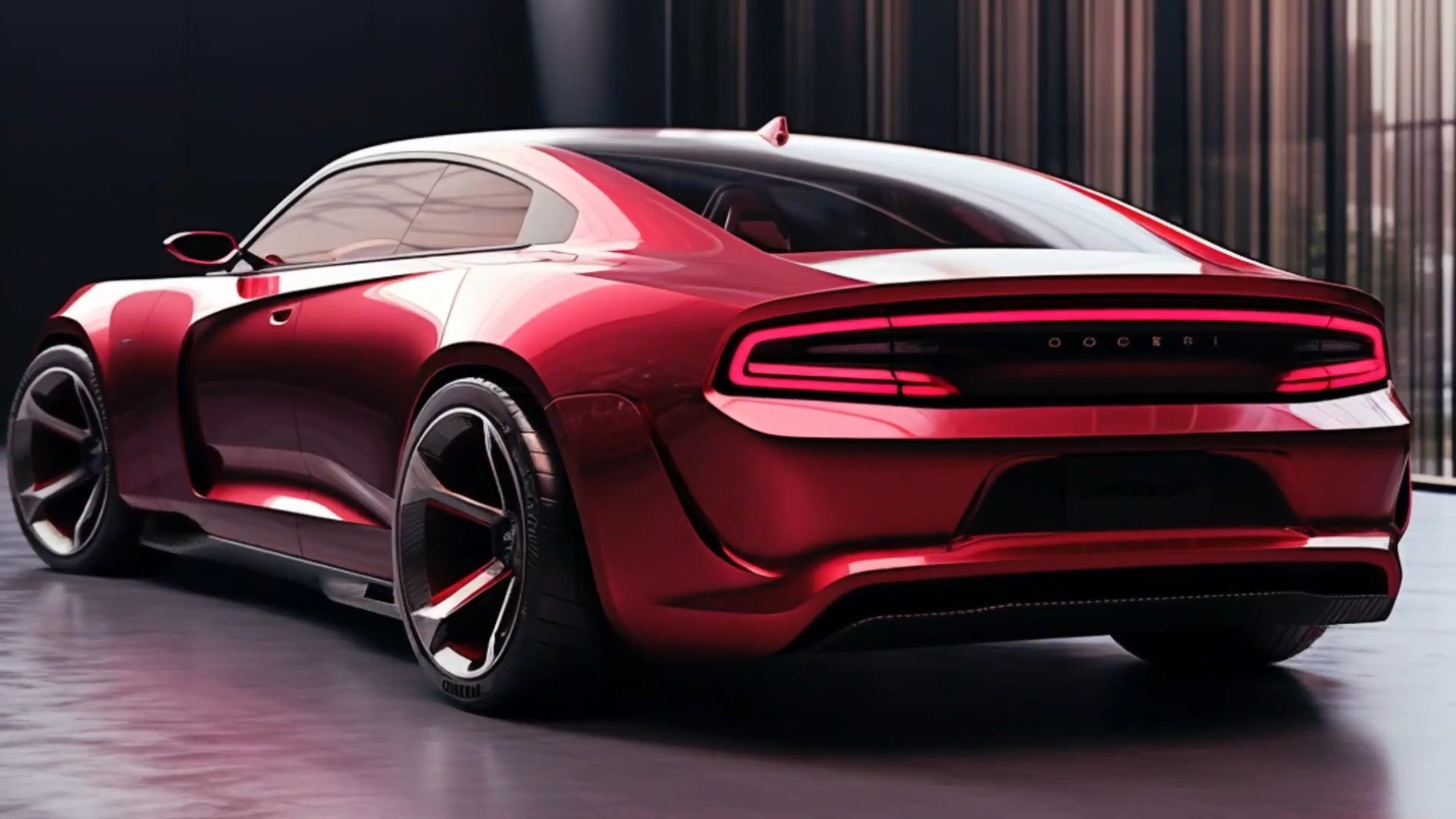
The 2025 Dodge Charger EV: A Deep Dive into Performance, Efficiency, and Design
The automotive world is undergoing a dramatic shift towards electrification, and Dodge, a brand synonymous with powerful muscle cars, is embracing this change with the upcoming 2025 Charger EV. While the exact specifications are yet to be officially revealed, anticipation is high, especially regarding the vehicle’s weight. This article delves into the significance of weight in electric vehicles, exploring potential factors influencing the 2025 Charger EV’s mass and its impact on performance, range, and overall driving experience.
The Weight Factor: A Balancing Act in Electric Vehicles
Weight is a crucial factor in any vehicle, but it takes on a heightened importance in the realm of electric vehicles. Unlike their gasoline-powered counterparts, EVs rely on batteries for propulsion, and these batteries are inherently heavy. While battery technology is constantly evolving, reducing weight remains a challenge.
Factors Influencing the 2025 Charger EV’s Weight
Several factors will contribute to the final weight of the 2025 Dodge Charger EV. These include:
- Battery Size and Technology: The size and type of battery pack will significantly influence weight. A larger battery pack, offering extended range, will naturally be heavier. However, advancements in battery chemistry, such as the use of solid-state batteries, could potentially lead to lighter and more energy-dense packs.
- Body Structure and Materials: The Charger EV’s body structure will be designed with a focus on both rigidity and lightweight materials. Aluminum, carbon fiber, and high-strength steel are potential candidates for reducing weight while maintaining structural integrity.
- Powertrain and Components: The electric motors, inverters, and other components of the powertrain will also contribute to the overall weight. Dodge’s focus on performance suggests a powerful powertrain, potentially leading to a heavier setup.
- Features and Options: Additional features, such as advanced safety systems, premium sound systems, and large infotainment screens, can add weight.
The Impact of Weight on Performance and Efficiency
Weight plays a crucial role in influencing an EV’s performance and efficiency.
- Performance: A heavier vehicle requires more power to accelerate and maneuver. This translates to a potentially slower 0-60 mph time and a less responsive driving experience. However, Dodge is known for its powerful engines, and the Charger EV is expected to deliver impressive performance despite its likely weight.
- Range: Weight directly impacts an EV’s range. A heavier vehicle consumes more energy to move, leading to a shorter driving range on a single charge. Therefore, balancing weight with battery size and efficiency becomes critical for maximizing range.
- Handling and Stability: A heavier vehicle can affect handling and stability, potentially making it less agile and more susceptible to body roll. However, advanced suspension systems and weight distribution can mitigate these effects.
The Importance of Weight Optimization
Dodge engineers will likely employ various strategies to optimize the 2025 Charger EV’s weight, including:
- Lightweight Materials: As mentioned earlier, the use of aluminum, carbon fiber, and high-strength steel will be crucial in reducing weight without compromising structural integrity.
- Aerodynamic Design: A streamlined body design can improve efficiency by reducing air resistance. This can lead to better range and potentially lower weight.
- Battery Optimization: Dodge will likely leverage advancements in battery technology, exploring options like solid-state batteries to maximize energy density while minimizing weight.
- Efficient Powertrain: The electric motors and other components of the powertrain will be designed for optimal efficiency, minimizing energy consumption and maximizing range.
FAQs
Q: Will the 2025 Charger EV be heavier than its gasoline-powered counterpart?
A: It is highly likely that the 2025 Charger EV will be heavier than the current gasoline-powered Charger due to the weight of the battery pack. However, Dodge will strive to minimize weight through various strategies, as outlined above.
Q: How will the weight impact the Charger EV’s performance?
A: While a heavier vehicle generally requires more power to accelerate, Dodge is known for its powerful engines. The Charger EV is expected to deliver impressive performance despite its likely weight, potentially even exceeding the performance of the current gasoline-powered model.
Q: What measures can be taken to mitigate the impact of weight on range?
A: Optimizing the battery pack, employing efficient powertrain components, and utilizing advanced aerodynamics can help mitigate the impact of weight on range.
Tips for Owners
- Optimize Tire Pressure: Maintaining proper tire pressure can improve efficiency and range.
- Avoid Excessive Cargo: Carrying unnecessary weight can reduce range and performance.
- Minimize Drag: Avoid using roof racks or other accessories that increase aerodynamic drag.
- Drive Efficiently: Practice smooth acceleration and braking to maximize range.
Conclusion
The 2025 Dodge Charger EV represents a significant step forward for the brand as it embraces the future of electrification. While weight will undoubtedly be a crucial factor in the vehicle’s performance, range, and overall driving experience, Dodge is committed to utilizing advanced technologies and engineering practices to optimize weight and deliver a thrilling and efficient driving experience. The exact weight of the Charger EV remains a mystery until its official launch, but the anticipation surrounding this highly anticipated electric muscle car is undeniable.

Closure
Thus, we hope this article has provided valuable insights into The 2025 Dodge Charger EV: A Deep Dive into Performance, Efficiency, and Design. We hope you find this article informative and beneficial. See you in our next article!